You have been meaning to take the kids into the woods for months. This guide removes every excuse: the exact distances that work by age, a ten-item kit you can pack in five minutes, and the snack-and-nap strategy that decides whether the trail ends in giggles or tears. Start small, start flat, and the outdoors will do the rest.
Realistic distances by age
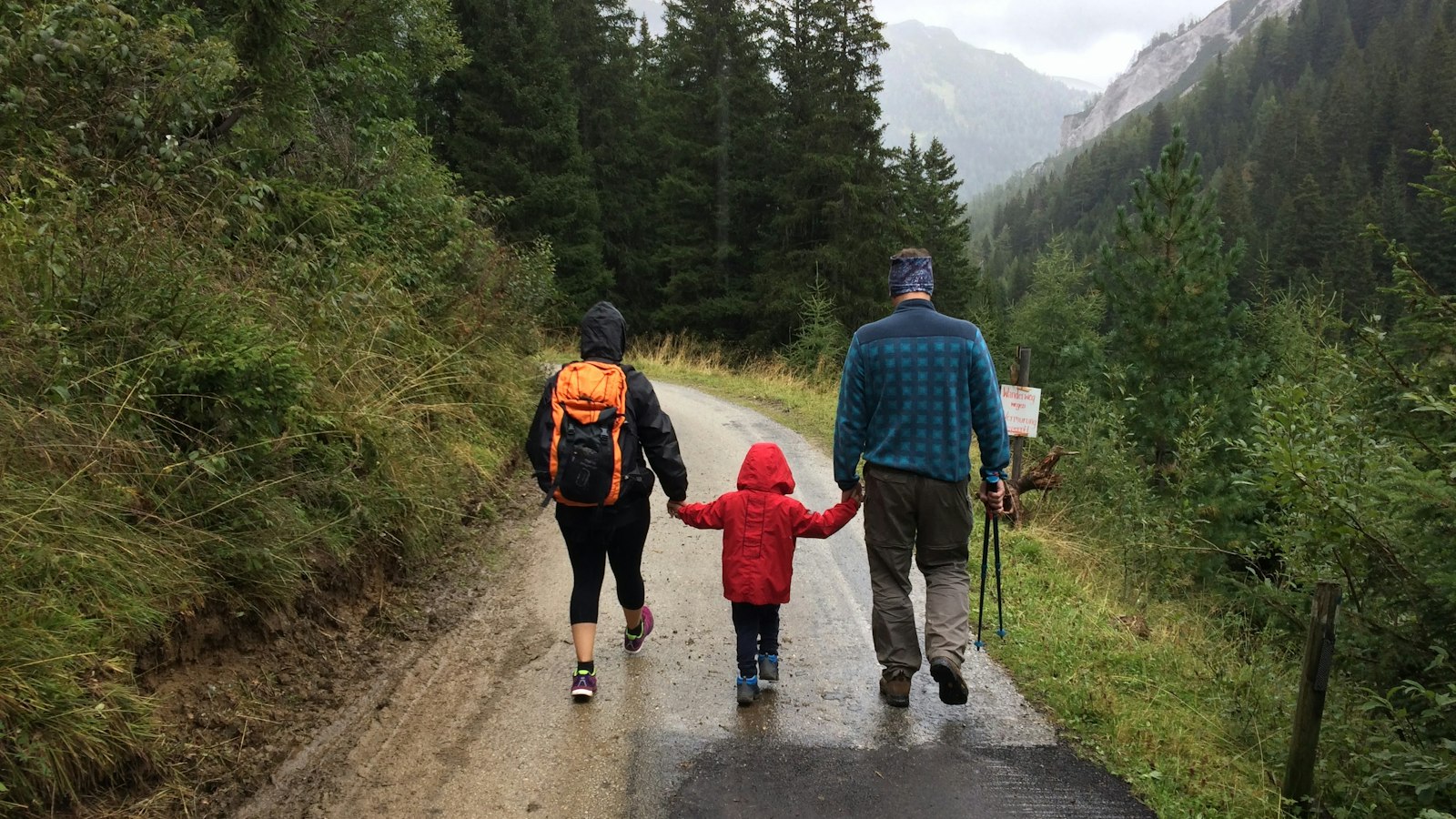
The single most common beginner mistake is overestimating little legs. A common rule of thumb: a reasonably fit adult walks about 5 km per hour on flat ground; a toddler's "hike" is closer to 1–2 km per hour including stops, because stopping to inspect every stick is the actual point. In practice, experienced family hikers suggest roughly 1 km per year of age up to about age 6, and half of the adult distance after that. That means a 3-year-old does a 3 km loop — not a 7 km "easy" trail.
Elevation matters even more than distance. A climb of 100 m feels like an extra kilometre to small legs, so choose a trail whose elevation gain in metres is smaller than the distance in kilometres. And remember the return leg: for a loop that is 3 km with 150 m of climb, the total is fine for a young child only if you build in long breaks. Use our Kids Hike Pace Planner to turn distance and age into a realistic schedule with rest stops before you leave the car.
The 10-item beginner kit
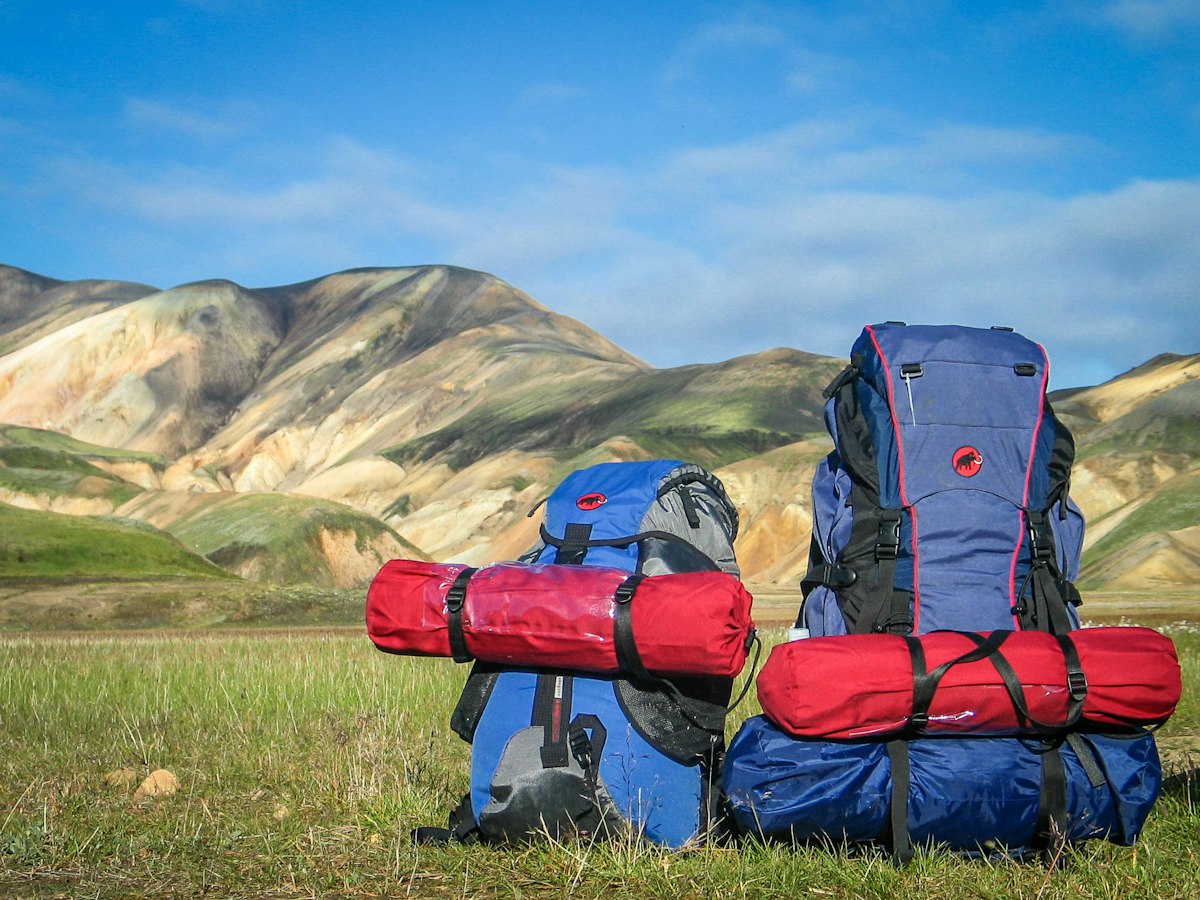
You do not need a gear wall. For a first family hike, these ten items cover 95% of situations, and all of them fit in one school backpack:
- Water — 500 ml per child per 2 km, more on hot days.
- Snacks — slow-release foods: banana, crackers, dried fruit.
- Sun protection — hats, sunscreen, and sunglasses for everyone.
- Rain layer — even when the forecast says zero rain.
- Spare socks — wet socks end hikes; dry socks rescue them.
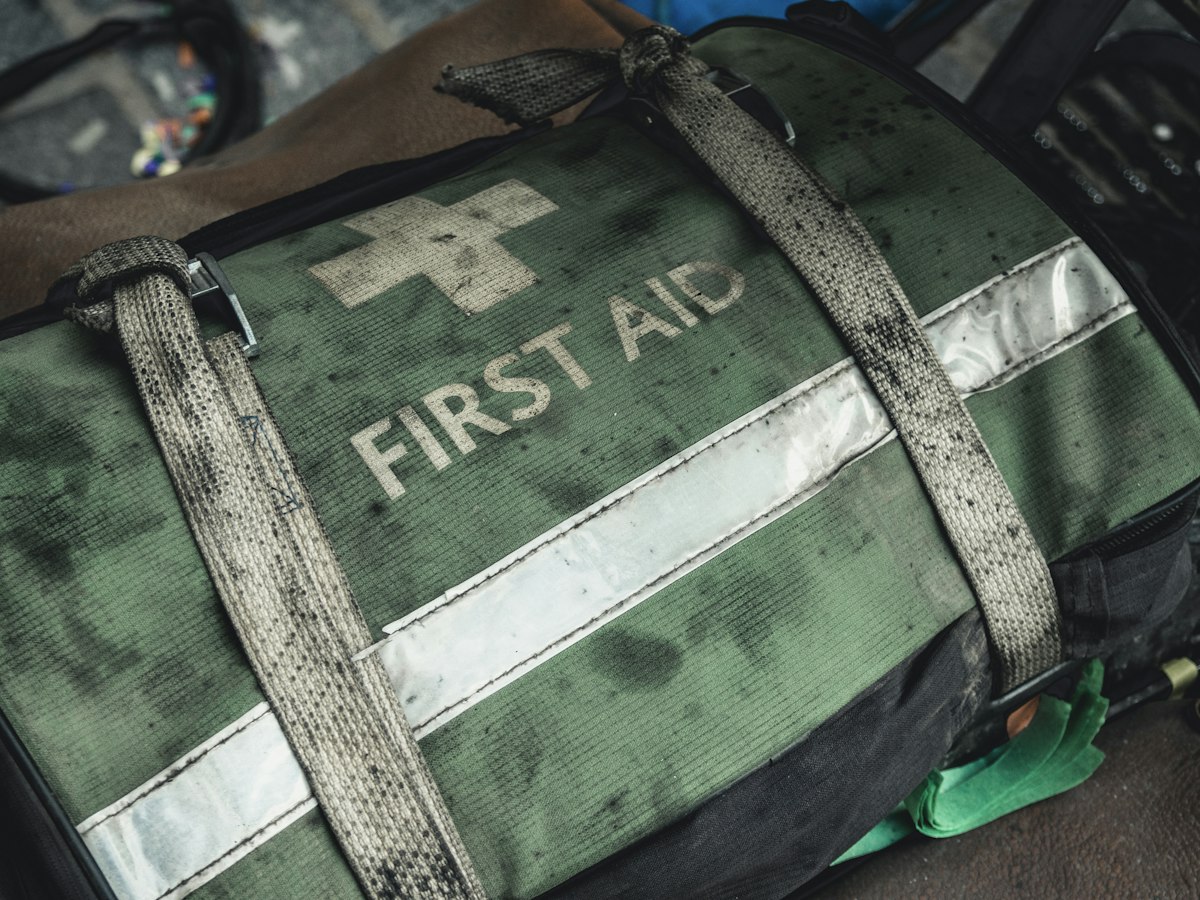
- First-aid mini kit — plasters, antiseptic wipes, blister pads.
- Charged phone — with an offline map downloaded first.
- Whistle — one per child, with the "three blasts = help" rule.
- Tissues and wet wipes — the most-used item on every trail.
- A change of clothes for under-5s — mud happens.
For a printable, customisable version sorted by season and trip type, run the Family Packing List Generator — it remembers your family and rebuilds the list in seconds.
Snack, nap and pace strategy
Hungry children are not bad hikers; they are just hungry. The rule that saves most family hikes: eat before you are hungry, rest before you are tired, and turn back before you are done. Aim for a snack stop every 30–40 minutes, a proper rest where shoes come off once mid-way, and plan the whole outing to fit inside nap windows for under-3s. If the trailhead is more than 30 minutes from home, add that drive time to your mental budget — a "short" trail can still mean a three-hour outing.
Keep the pace to the slowest walker and let the children lead on the flat. When they walk, you all walk; when they stop to look at a beetle, that is the hike working as intended. Nothing kills enthusiasm faster than being dragged along at adult speed.
One more habit that prevents most mid-trail meltdowns: announce the plan in child-sized pieces. Tell a five-year-old "we walk to the big rock, have a snack, then decide" instead of "a three-kilometre loop". Small milestones give little legs something concrete to reach for, and they give you natural decision points to turn back early if the day is going badly. The same trick works for the return: "we go back when the shadows get long" is easier to hold onto than a number on a map.
The 5 family safety rules
- Stay together: agree on a meeting point at the trailhead and re-check it at every junction.
- No trail food foragers: nothing gets eaten that was not brought from home. This is non-negotiable with young kids.
- Check the forecast and the trail report: storms, high winds and flooded sections are the reasons "easy" trails become dangerous. The Weather Readiness Check tells you what to prepare.
- Know your exit: always know which direction leads back to the car, and keep the trail map visible.
- Tell someone your plan: route, rough return time, and car park — a 30-second message that helps rescuers enormously.
Making them want to go again
The second hike is more important than the first. End on a high note: finish while spirits are up, celebrate with a treat at the trailhead, and let the child choose the next trail from two options you pre-approved. Photograph the muddy boots, not just the scenery. After two or three short wins, most children start asking when the next one is — which is exactly when you know the habit has formed.
The best family hike is not the longest or the most beautiful. It is the one that ends with everyone smiling and already planning the next.
Ready to go? Start with our Stroller & Wheelchair Friendly Trail Finder to vet the route, then build your packing list in two minutes.