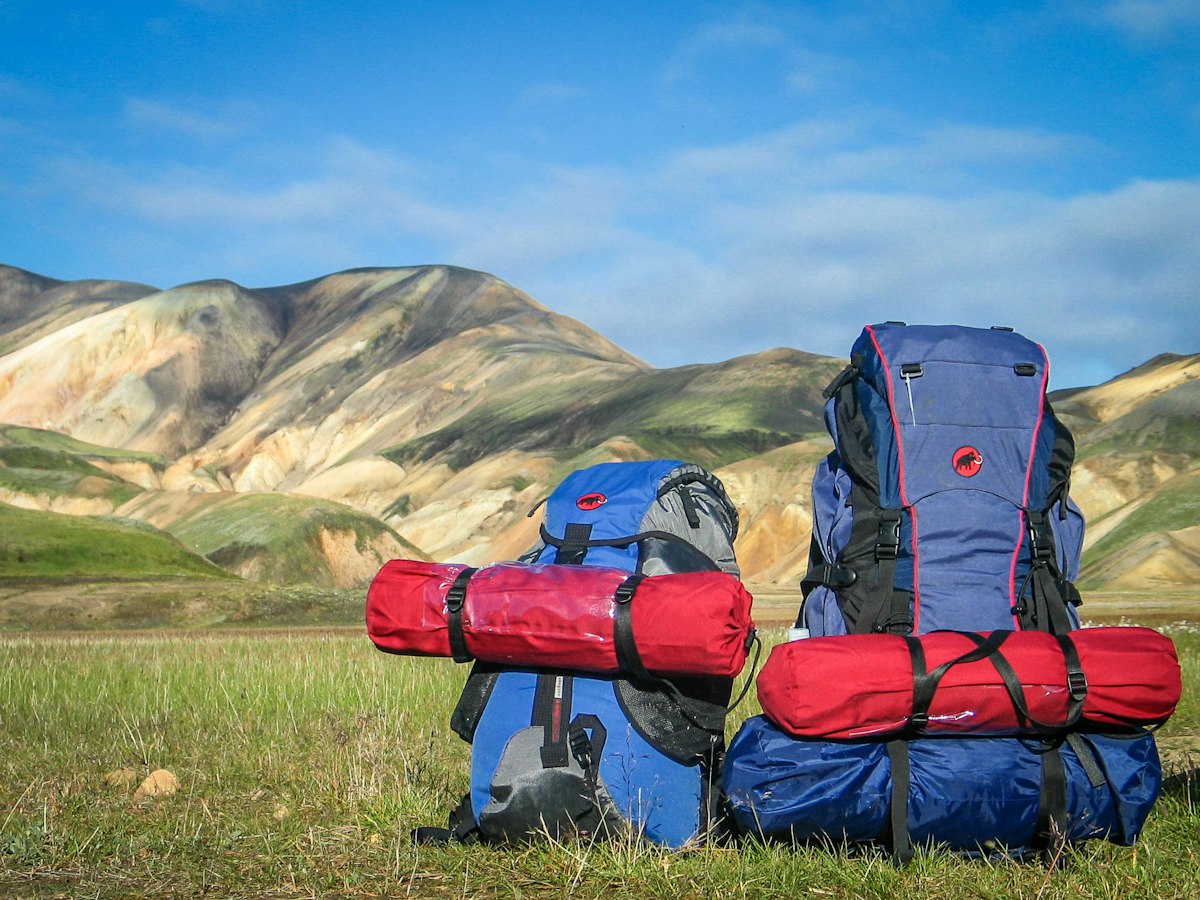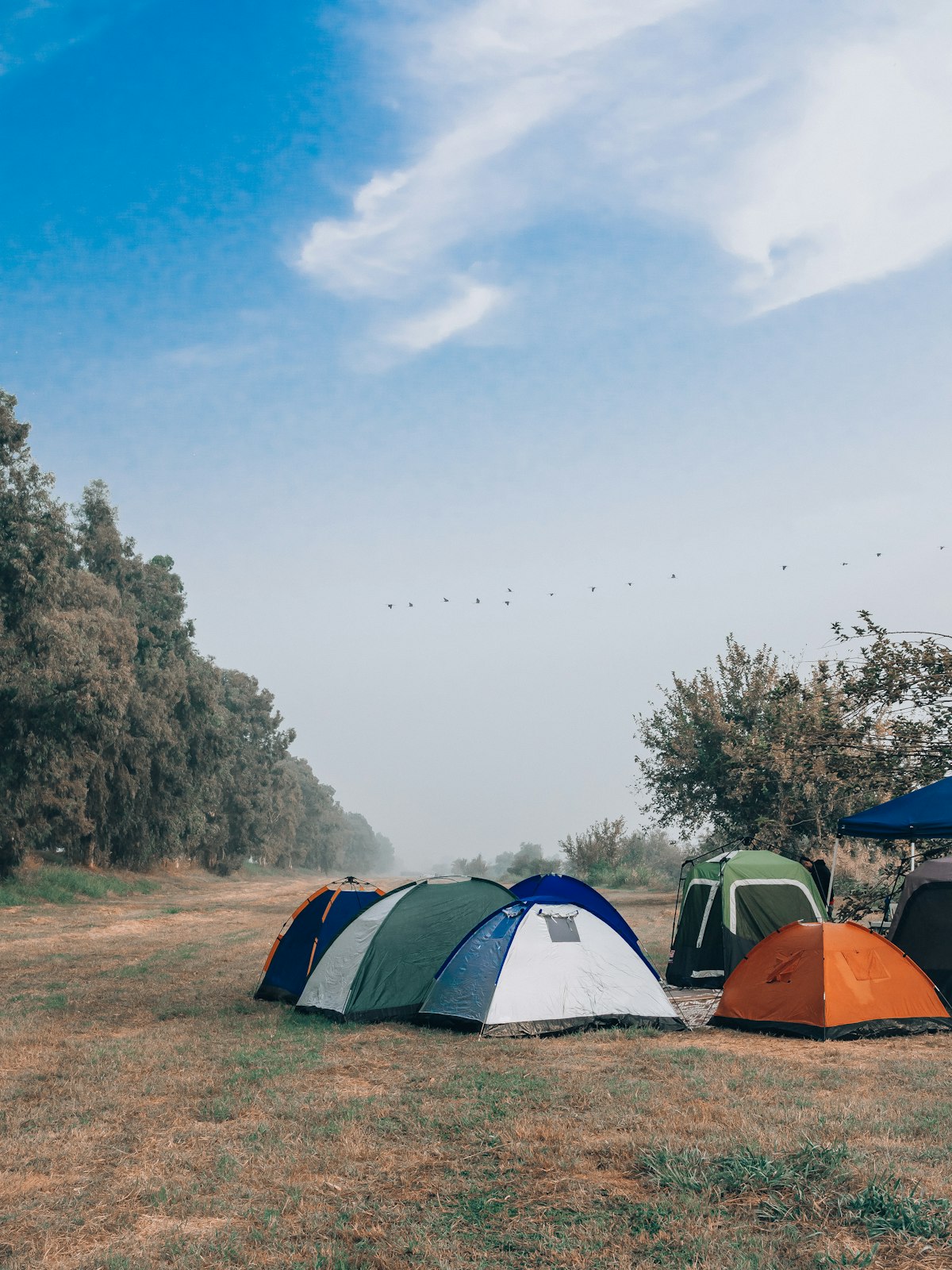
Every family camper has a war story: the trip where the tent poles were at home in the garage, or the first night without sleeping pads. The fix is not a bigger car — it is a packing system. This guide splits gear into five modules, gives you a realistic 3-day 2-night list with a weight budget, lists the things that only children need, shows you how to load the car so the first night is calm, and tells you what to do when you inevitably forget one item.
The five-module packing method
Instead of a single shapeless list, sort everything into five boxes. Each module has a job, a bag, and a person responsible for it. The modules: Sleep, Eat, Safety, Comfort, Emergency.
- Sleep module — tent, footprint, sleeping bags, sleeping pads, pillows, headlamps. Job: a dry, warm, dark place for every body.
- Eat module — stove, fuel, cookware, food, water containers, cooler, utensils. Job: three meals and two snacks a day for everyone, with water.
- Safety module — first-aid kit, fire extinguisher / fire blanket, headlamp + spare batteries, emergency whistle, map, sunscreen, insect repellent. Job: handle the first 30 minutes of a problem.
- Comfort module — camp chairs, table, lights, tarps / shade, games, books. Job: make the campsite feel like a place to hang out, not just survive.
- Emergency module — the "just in case" bag: jumper cables, a spare layer per person, a rain shell each, a charged power bank, a printed copy of the campsite booking and insurance hotline. Job: survive a broken car, a storm, or a midnight clinic visit.
Pack each module in its own bag or bin, and label it. At the campsite you unpack by module, not by item — the sleep bag goes straight to the tent spot, the eat bag to the cooking area. Our Family Packing List Generator builds exactly this structure, and the Seasonal Gear Checklist adjusts it for winter, summer and shoulder season.
A 3-day 2-night sample list with weight budget
For a family of four (two adults, two children under 10) car camping in mild weather, a realistic total is about 80–100 kg of gear and food. That sounds like a lot until you break it down. The table below is the working list most experienced family campers end up with; treat the weights as rough经验值 (rule-of-thumb values).
| Module | Items | Rough weight |
|---|---|---|
| Sleep | 4-person tent + footprint, 4 sleeping bags, 4 sleeping pads, 4 pillows, 4 headlamps | 18–22 kg |
| Eat | 2-burner stove, 2 gas canisters, cook set, cooler with ice, food for 3 days, 20 L water, utensils, cleaning bin | 25–30 kg |
| Safety | First-aid kit, fire extinguisher, whistle, headlamp spares, sunscreen, repellent, offline map | 3–4 kg |
| Comfort | 4 camp chairs, small table, string lights, tarp, 2 games | 12–15 kg |
| Emergency | Spare layers, rain shells, power bank, jumper cables, printed docs | 6–8 kg |
| Misc | Toiletries, towels, kid's comfort item, trash bags, paper towel | 5–7 kg |
The budget rule: do not let the Comfort module grow past 20 kg. It is where non-campers over-pack — a third game, a portable projector, a folding sofa. Every extra kilo in Comfort is a kilo you carry out, and a kilo that does not matter on day one. If you are starting out, borrow before you buy, and use the Camping Budget Calculator to decide whether renting one trip is cheaper than owning.
Items only children need
Adults can rough it; children have specific requirements that, if missed, end the trip. Pack these as their own small bag:
- Two sets of sleep clothes per child, not one. Spills, damp, and muddy knees are guaranteed.
- A familiar comfort item — the bedtime toy, the usual blanket, the sound machine. The tent is scary enough without changing the sleep ritual.
- A headlamp each, not a shared torch. Kids who can light their own way at 7 p.m. walk themselves to the toilet.
- A designated "kid snack" box. Hungry children between meals are the #1 campsite complaint. Pre-portion 3 snacks per child per day.
- Close-toed shoes, even on grass. Twigs, thorns, and campfire ash do not care about sandals.
- A small daypack for each child to carry. Their snack, water, layer, and a toy. It builds pride, not resentment, when it is light.
Car loading order
The order you load the car decides whether the first hour at the campsite is calm or chaos. Load heaviest first, on the bottom and closest to the car's centre; load the "first night" items last (so they come out first). A working order:
- Bottom, centre: tent, footprint, sleeping bags, pads — the heavy sleep module.
- Next layer: stove, food box, cooler — eat module, but not on top because heat rises.
- Next: comfort chairs, table, tarp.
- Top, last in / first out: the emergency bag, the first-aid kit, the kid snack box, the headlamps, and a change of shoes for everyone.
A rule most experienced campers learn the hard way: never put the tent in the very bottom of the boot under the food boxes. At 7 p.m. in the rain, you will lose an hour unloading. The tent and the sleep bag are always the first thing out.
When you forget something
Everyone forgets one thing per trip. The good news is that the list below covers 90% of situations with what you actually have in the car.
| Forgotten item | On-site substitute |
|---|---|
| Sleeping pad | Blanket folded twice under a sheet; or spare clothes as a layer. |
| Pillow | A jacket in a stuff sack, or a folded towel. |
| Cookware | A campfire grill grate, foil packets, or boiling water in a heatproof bottle. |
| Bottle opener / cutlery | A key as opener; chopsticks or spork from a travel pack. |
| Toilet paper | Wet wipes, or a small pack of tissues kept in the car glovebox. |
| Headlamp | Phone torch for the first hour; charge it on the power bank. |
| Can opener | A strong spoon edge on the lid rim; or a rock on the lid edge. |
| Bug spray | A shirt long-sleeved, light-coloured, and avoid dusk standing near water. |
The goal of packing is not to bring everything. It is to bring the right things, in the right bags, in the right order — so that when something goes wrong, you spend energy solving it instead of searching for it.
Build your own list with the Family Packing List Generator, check it against the Seasonal Gear Checklist, and run the Camping Budget Calculator before you spend. Then load the car by module, and trust the system — it remembers what your tired brain forgets.