It was 11 a.m. and "only 24 degrees". By lunchtime the toddler had a red nose, the baby was asleep in the carrier, and nobody could understand why. The answer is almost always UV, not heat: sun exposure on an open trail — especially at altitude, on snow, or beside water — is much stronger than it feels from the thermostat. This guide explains the UV index in plain language, the multipliers the weather app does not tell you, how to pick and reapply sunscreen for children, the gear that beats sunscreen, the special rule for babies under 6 months, and how to recognise the two heat illnesses that need a different response. (This is general outdoor guidance, not medical advice — when in doubt, seek professional help.)
The UV index and its hidden multipliers
The UV index (UVI) predicts how strong ultraviolet radiation is at solar noon. Below 3 is low; 3–5 is moderate; 6–7 is high; 8–10 is very high; 11+ is extreme. On a clear summer day in many populated regions, a UVI of 6–8 at midday is normal. The problem: the UVI on your phone is measured at ground level in the city, not on your trail. Three multipliers you need to add yourself:
| Factor | Approximate effect (经验值) | What it means for your family |
|---|---|---|
| Altitude | UV increases roughly 10–12% per 1,000 m of elevation gain. | At 2,000 m, treat a "moderate" city UVI as "high". |
| Snow / ice | Reflects up to 80% of UV back up. | On a snowy trail, sun hits you from above and below — goggles and face coverage matter. |
| Water / sand | Reflects 10–25%. | Lakeside and beach trails are sunnier than they look. |
| Shade | A tree canopy cuts UV significantly, but filtered UV still reaches you — especially near water or snow. | Don't skip sunscreen under trees; just lower the exposure timer. |
The practical habit: check the UVI before you leave, then add the altitude and reflection in your head. Above 6, plan shade breaks, not just sunscreen. Use our Sun Exposure Timer to schedule reapplication and rest intervals based on your kids' skin sensitivity.
Choosing and using sunscreen on children
Children's skin is thinner and more sensitive than adults', and many parents are unsure what to buy. The practical consensus, subject to your own paediatrician's advice:
- SPF 30 minimum, SPF 50 on strong-UV days. SPF 30 blocks about 97% of UVB; SPF 50 about 98%. The jump from 30 to 50 is real; the jump from 50 to 100 is marginal. Buy 50, don't chase 100.
- Broad spectrum — the label must say UVA and UVB protection.
- Mineral (physical) sunscreens with zinc oxide or titanium dioxide are often preferred for children: they sit on the surface and irritate less. Chemical sunscreens work too, but some families react to them — test on a small patch of skin at home first.
- Apply 15–20 minutes before going out, and use a generous amount — most adults use half the recommended dose, which halves the protection.
- Reapply every 2 hours, and immediately after sweating heavily, swimming or towelling off. On a trail with kids, the 2-hour mark comes fast — set a phone timer.
Hat, shirt, sunglasses: the gear that beats sunscreen
Sunscreen is the backup, not the plan. Covered skin does not need reapplying, does not sweat off, and works on a fidgety toddler who refuses to sit still. The gear stack that matters:
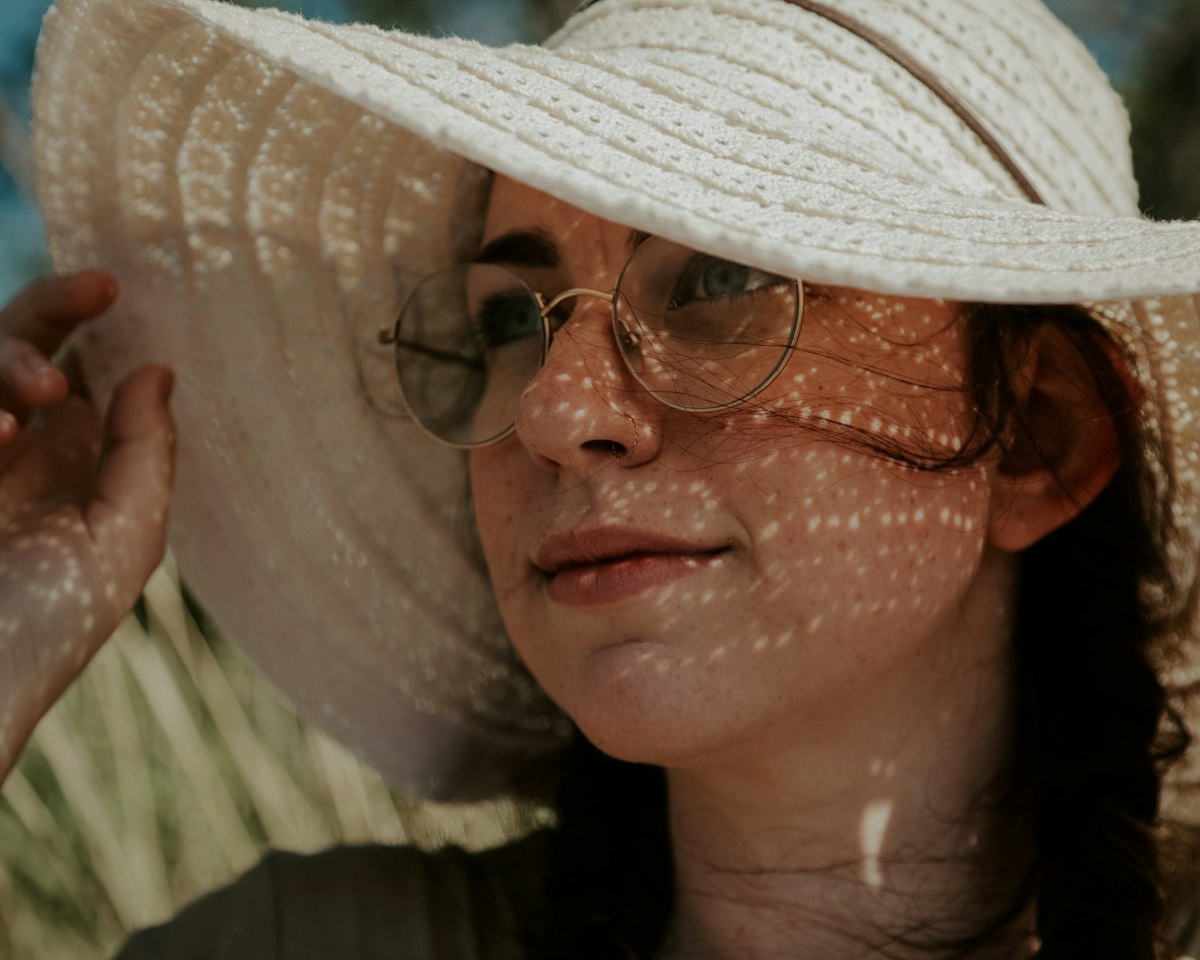
- A wide-brim hat with a chin strap — baseball caps leave ears and neck exposed.
- UPF-rated clothing. UPF 50 fabric blocks about 98% of UV; a plain cotton t-shirt is roughly UPF 5–10 when dry and less when wet. A rash-guard style long-sleeve top is the single best sun purchase for kids.
- UV sunglasses for everyone over toddler age — eyes burn too.
- Lip balm with SPF for the grown-ups; kids rarely need it but the adult nose and lips will thank you.
Pair this with the Weather Readiness Check, because the same sunny day that demands sunscreen can also bring a midday thunderstorm — you want the rain shell packed, not just the hat.
The special rule for babies under 6 months
The widely repeated paediatric guidance is: do not put sunscreen on babies under 6 months. Their skin is too thin, and the safer strategy is shade, clothing and timing instead. That means:
- Keep babies under 6 months out of direct strong sun entirely — shade cloth on the carrier, a wide-hat, long light layers.
- Plan walks for the morning or late afternoon, not midday.
- Take extra breaks in deep shade, and keep the baby cool — overheating in a carrier is the real risk at this age, not sunburn.
If sunscreen absolutely must touch a small patch (e.g. a baby's face when no shade exists), many doctors advise a small amount of mineral zinc oxide — but check with your own paediatrician, and treat this as a last resort, not a plan.
Heat exhaustion vs heat stroke: know the difference
Sun exposure and heat exposure are related but not the same thing. On a hot family hike, the two conditions below both happen to children faster than to adults. The distinction matters because one needs cooling and rest, the other needs emergency action. (General guidance only; this does not replace medical judgement.)
| Heat exhaustion | Heat stroke | |
|---|---|---|
| How the child looks | Pale, sweaty, dizzy, nauseous, headache, unusually tired. | Flushed, hot, dry skin (sweating may have stopped), confused, slurred speech, maybe fainting. |
| Immediate response | Get to shade, loosen clothes, sip cool water, wet neck and armpits. Rest until recovered. | This is a medical emergency: cool aggressively (water, shade, ice to neck/armpits/groin), call local emergency services, do not leave the child alone. |
If you are unsure which one you are looking at, err on the side of caution: stop, cool, and seek help. The safest family call on a hot day is always an earlier turnaround, not a later rescue.
The sun does not care that it feels mild. The UV index does not care that the kids are happy. Plan the shade breaks, reapply on a timer, and the mountain will be there in perfect comfort next weekend.
Check the UV index, double it for altitude, cover up before you spray, keep babies in shade, and watch the children — not the scenery — for the first sign of trouble. That is family sun safety in one paragraph.