Most family outdoor trips do not go wrong on the trail. They go wrong in the car park: the insurance policy is expired, the offline map was never downloaded, the car seat strap came loose somewhere on the drive, or nobody knew you were going. The fix is not a longer to-do list — it is a three-level checklist spread across 48 hours, 24 hours and the final hour before you walk out the door. Do it at the right time, and almost every common trip-day crisis disappears before it starts.
The 48-hour check
At 48 hours out, you are checking the things that would be expensive or impossible to fix the morning of the trip.
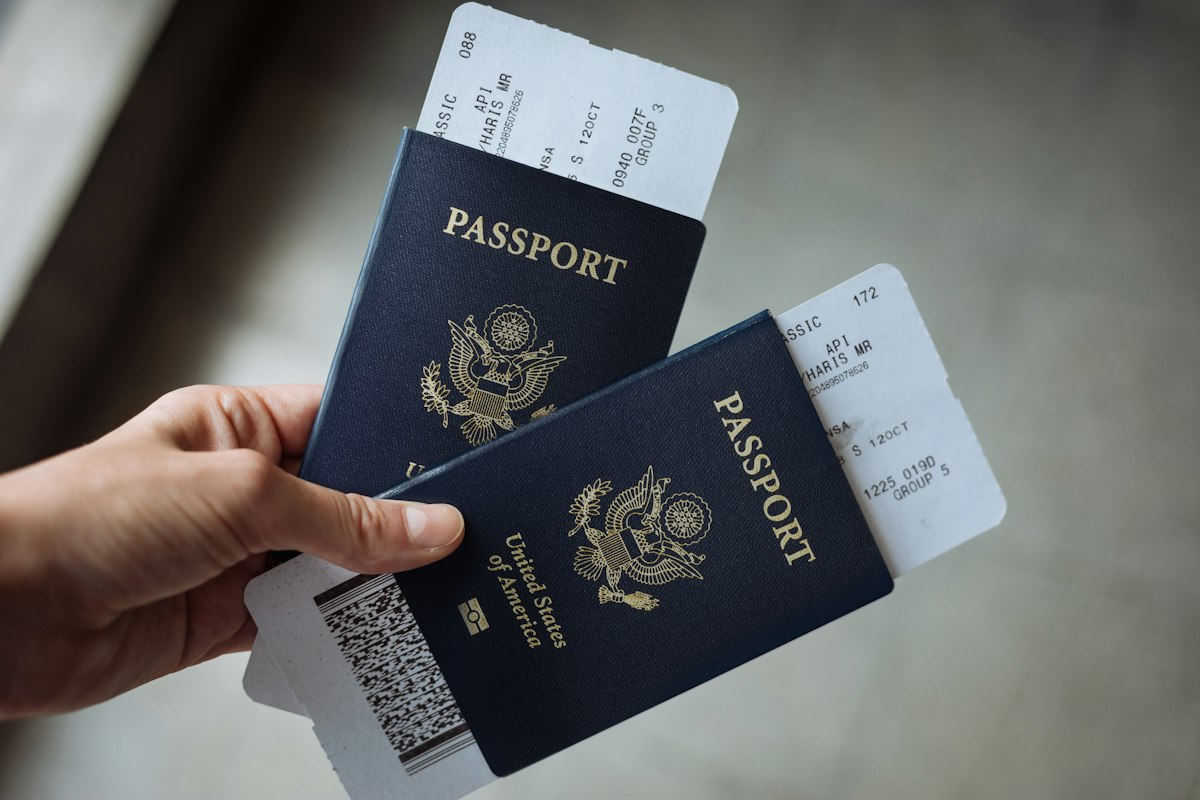
- Documents and insurance. Confirm the travel / outdoor insurance policy is actually active and covers your planned activities (some policies exclude certain activities or have altitude limits — always read the policy wording, and consult a licensed adviser for anything beyond basic trips). Save a screenshot of the policy number and emergency assistance number. Prepare a Kid Emergency ID Card with allergies, medications and contact numbers, one per child, in a pocket of the pack.
- Offline map and route download. Mobile data fails in valleys. Download the offline map and save the GPX / route for the trail on both adults' phones now, while you still have Wi-Fi. Favouriting a trail page online is not the same as having it offline.
- Bookings and paid sites. If the trailhead, campsite or hut needs a permit or booking, confirm it now — "no availability" on the morning of a holiday weekend ends trips before they start.
- Health niggles. Is anyone on medication that needs packing? Any blister, cold or allergy flare that should be rested instead of walked through?
The 24-hour check
At 24 hours out, you are packing and re-confirming. This is where a tailored list saves you from both over-packing and forgetting the one essential.
- Weather re-confirmation. Check the hourly forecast for the trailhead specifically, plus any active warnings. A forecast that looked fine yesterday can have changed overnight. Use the Weather Readiness Check for the go / caution / skip call.
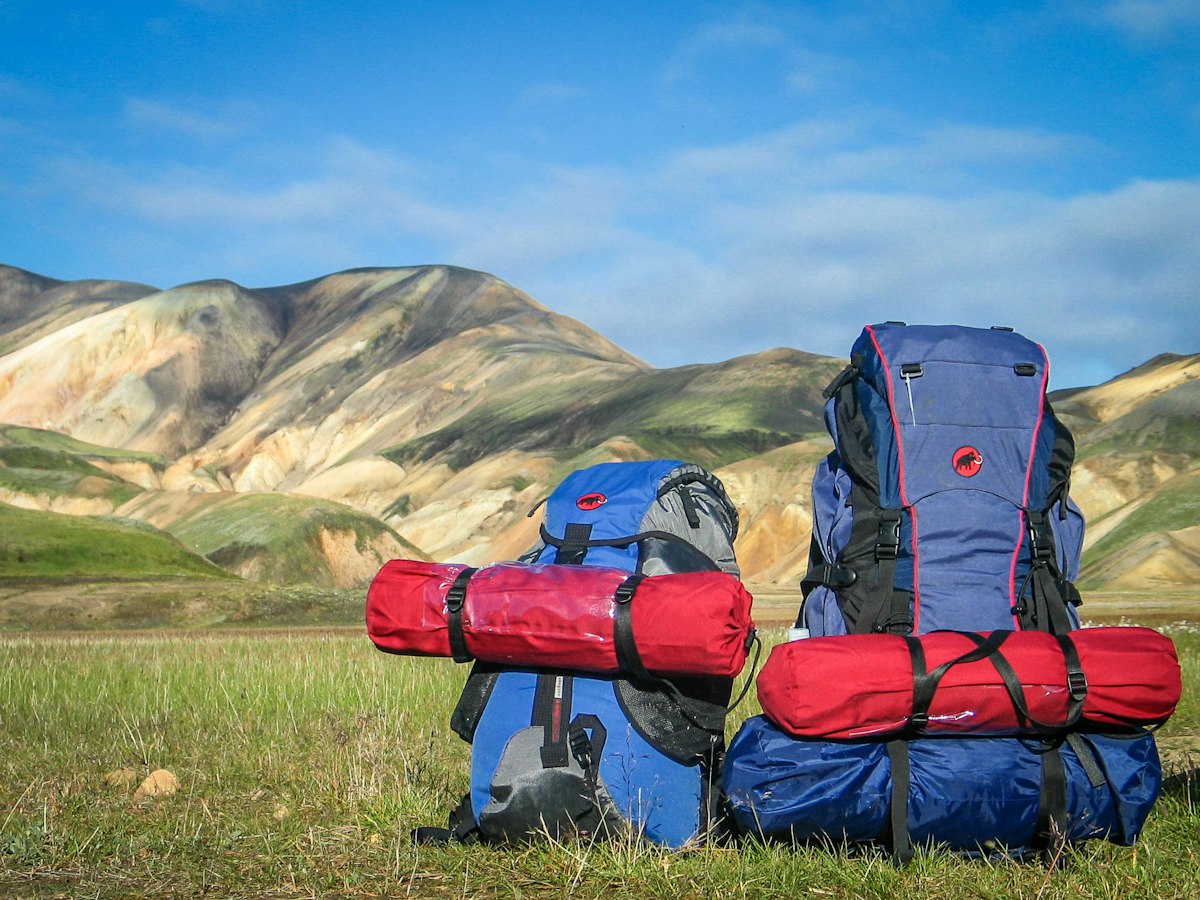
- Pack the bag. Use the Family Packing List Generator for a list built for your season, trip type and family size. Lay everything out on the floor first, then pack — it is much harder to miss something when you see it all at once.
- Vehicle and car seat. Check fuel / charge, tyre pressure, and that the spare tyre / jack are present. Most importantly: fit and tension the child car seat now, in the light, not in the rain the next morning. Re-check the harness straps — no more than one finger of slack at the child's collarbone.
- Charge everything. Phones, power bank, torch headlamp. Plug them all in overnight so they are at 100% in the morning.
The 1-hour, out-the-door check
The last 60 minutes are for the small, on-the-day items that cannot be done in advance. Run this list while the kids are putting shoes on:
- Re-check the one-hour and hourly forecast for the drive and trailhead — storms move fast.
- Pack water and snacks into the day pack, not just the car. Nobody wants to stop at a shop 40 minutes in.
- Everyone has used the toilet and put on sun cream / hats before you leave.
- Phones at 100%, power bank in the pack, car keys in the same pocket every time.
- Send the heads-up message (template below) to a person who is not coming.
- Lock up, and leave the house on time — rushing in the first 15 minutes sets the mood for the whole day.
Tell people: the heads-up message template
A 30-second message to a friend or relative who is staying home is one of the highest-value safety habits there is. If something goes wrong, it is this message, not your phone's lock screen, that tells rescuers where to start. Send this the morning of the trip:
"Heading out today to [trail / place], from the [car park name]. We're a group of [X], kids aged [ages]. Planned route is [out-and-back to / loop of Y], aiming to be back at the car by [time], then home by [time]. Car is a [make/colour/plate]. If you haven't heard from us by [time + 1 hour], call [local emergency number] — the route and map are saved here: [link]."
That message covers who, where, by when, and what to do. Pair it with a written-out Family Emergency Plan you have practiced once, and you have done more than most families ever think to.
Coming home: the wrap-up
The trip is not over when you get back to the car. The first ten minutes home quietly decide whether the next trip is easy or not:
- Tick check. Strip off and check everyone — especially behind knees, scalps, waistbands — after any grassy or woodland walk. Early detection matters; if you find a tick, remove it properly and know when to seek medical advice.
- Dry and clean gear. Hang boots to dry, air the packs, rinse muddy kit. Wet gear left in a bag rots and ends next trip before it starts. This is also when you note what is broken or needs replacing.
- Restock the first-aid kit and the pack. Replace used plasters, the eaten snacks, the low battery. The pack should be ready for next time, not half-empty.
- Five-minute debrief. Over dinner, ask each person: what was the best bit, what was hard, what would we change? It takes five minutes and it is how the next trip gets better — and how a tired parent learns that the "bad" part was just a too-long lunch wait.
- Keep the insurance papers. If anything needed a doctor or a repair, keep receipts and photos now while they are fresh — the Insurance Claim Checklist lays out what to save. Always check the policy wording for exactly what is covered.
A well-planned trip is not one where nothing goes wrong. It is one where the few things that do go wrong were already thought through 48 hours ago — and the family walks home already looking forward to the next one.
Run the 48-hour list, pack from the tailored Family Packing List, carry the Kid Emergency ID Card, and keep your plan in the Family Emergency Plan — then walk out the door and enjoy the day.