"I don't want to go." Halfway to the car, your child has decided the trail is a terrible idea. Maybe it is the bugs, maybe the dark, maybe they are already tired, maybe they have convinced themselves a bear lives behind the next tree. A scared child on a hike is not a bad hiker — they are a small person with an outsized imagination and no frame of reference. This guide names the four fears that come up most, gives you the small-wins ladder to climb them, shows how to hand your child a sense of control, and — just as important — tells you when to turn around and try again next week instead.
The four common fears and what works
Kids' fears outdoors are real to them even when they sound silly to us. Dismissing them ("it's just a bug") makes the fear louder. Naming it, giving a simple fact, and offering one concrete action works far better.
| Fear | What the child experiences | What helps |
|---|---|---|
| Bugs / insects | Every flying thing is a wasp that wants them. | Point out that most insects are more scared; let them watch from a safe distance; keep repellent on sleeves, not the face; go at times insects are calm (mid-morning). |
| The dark / quiet woods | Every shadow is a monster. | Stay in daylight and familiar loops at first; talk normally; let them hold a torch; end the "monster" idea by looking together at what the shadow actually is. |
| Tiredness / "my legs hurt" | Genuine fatigue, often at kilometre one. | Smaller distance, a snack stop before they crash, and the promise of a definite turnaround point. Use the Age–Distance Finder to pick a distance their age can actually do. |
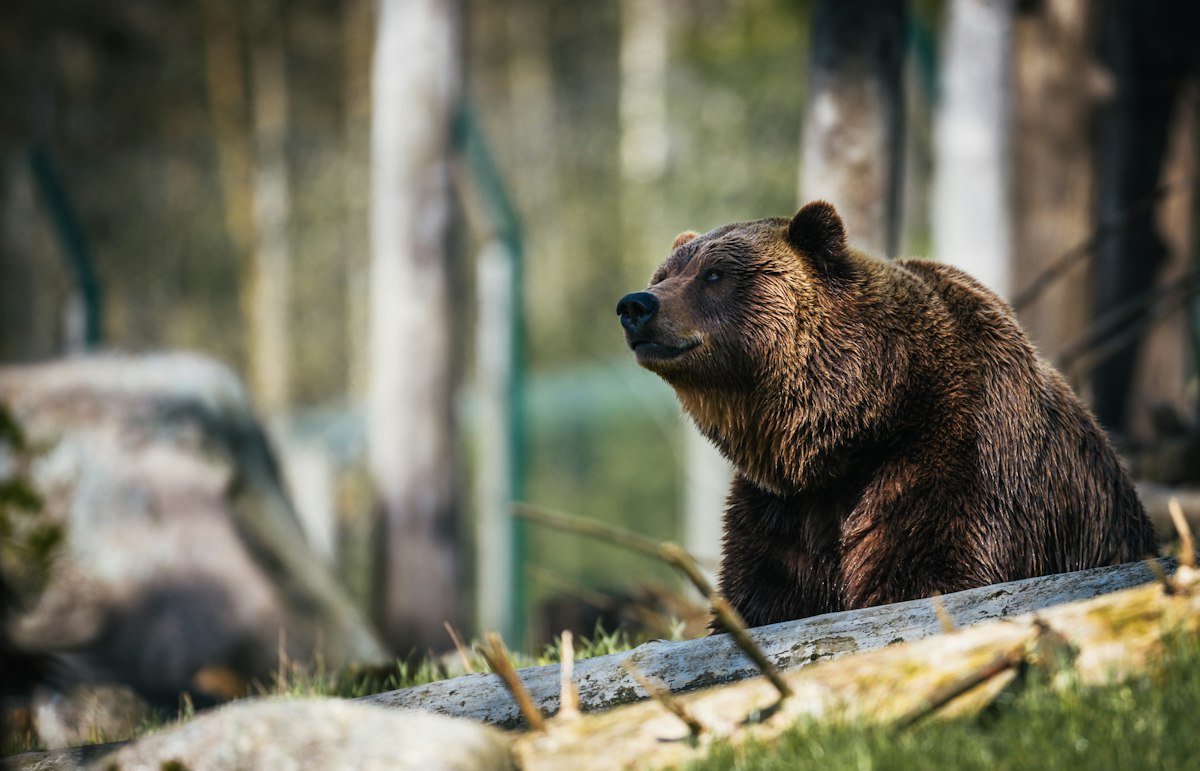
| Wildlife | Certain an animal is about to appear. | Calm facts: animals hear you coming and usually avoid people. Teach the "stand tall, don't run" rule and the three-blast whistle. Prepare more with the Wildlife Encounter Guide. |
The thread through all four: acknowledge the feeling first, then give one small, concrete thing the child can do. "That fly is annoying, isn't it? Here's your hat on" beats "don't be silly, it won't hurt you".
The small-wins ladder: from park to 2 km
Fear shrinks with experience, but experience has to be built in tiny steps. The mistake is jumping straight to a "nice 3 km trail" with a nervous child. Build the ladder instead, one rung at a time, and only move up when the previous rung was a genuinely good time:
- The local park (week 1–2): no "hike" label at all. Just run, climb, and get used to being outside. The goal is comfort, not distance.
- A paved 20-minute loop (week 3–4): flat, familiar, near toilets and parking. End on a playground or a treat.
- A 1 km easy trail (week 5–6): still flat, but now it's "in nature". Let them notice two birds or leaves.
- A 1–2 km trail with one feature (week 7+): a waterfall, a bridge, a viewpoint. The feature becomes the destination they are walking toward.
- Extend the familiar trail: add 500 m at a time to a route they already like, rather than always choosing a new scary place.
Experience value: expect each rung to need two or three repeats before the child is truly comfortable. Use the Kids Hike Pace Planner to set a realistic time for the rung you are on, so you never promise a 2 km walk that actually takes two hours of complaints.
Hand over control: let them lead
A lot of kids' fear is really fear of the unknown and of being dragged somewhere against their will. The single most powerful trick is to hand back control, in small, safe doses:
- Let them be the leader for 10 minutes at a time — they carry a small map (a printed photo of the route), decide left or right at easy junctions, and "read" the signpost.
- Offer two choices you pre-approve: "Do you want to go to the stream or the big tree first?" Never an open question (that usually ends in "home"), but always a real choice.
- Give them a job: the snack carrier, the twinkle-light holder, the "official" who counts birds. A child with a job is a child with a purpose, not a hostage on a walk.
- Set the turnaround together: agree the turning point before you start ("we go until the footbridge, then we turn"). When they know where the boundary is, the unknown becomes manageable.
When not to push
Push through the whining about tired legs, but know the difference between "I'm bored" and real fear or distress. These are the signs to turn around, not persist:
- The child is physically shaking, cannot speak normally, or is crying uncontrollably for more than a few minutes.
- There is a real safety concern — weather turning, unsafe terrain, or a known wildlife risk — and you would not be there without the child's fear. Trust that signal.
- The "hike" has already become a battle of wills. Forcing the last 500 m teaches the child that the outdoors is where they get dragged against their will — exactly the wrong lesson.
Turning around is not failure. It is a 1 km walk to the car, an ice cream, and a willing child next weekend. The goal is a lifelong hiker, not a completed trail today.
Your own self-regulation
Children take their emotional cues from you. If you are tense, sighing, or secretly annoyed that "we drove all this way", your child will read that the woods are a place to be anxious about. Breathe, lower your expectations, and enjoy the walk at their speed. It helps to go in with a quiet promise to yourself: today counts as a success if everyone gets back to the car without tears — distance does not matter. When you stop caring about the mileage, the whole walk relaxes, and the child relaxes with it.
Fear on the trail is information, not an obstacle to overcome by force. Walk toward the small wins, hand back the controls, and turn around when you must — the mountain does not go anywhere, and neither does your child's courage.
Next time: start one rung lower than you think you need to, let the child lead the first ten minutes, and pick a distance their age can actually manage with the Age–Distance Finder, pace it on the Pace Planner, and prep the wildlife talk on the Wildlife Encounter Guide.