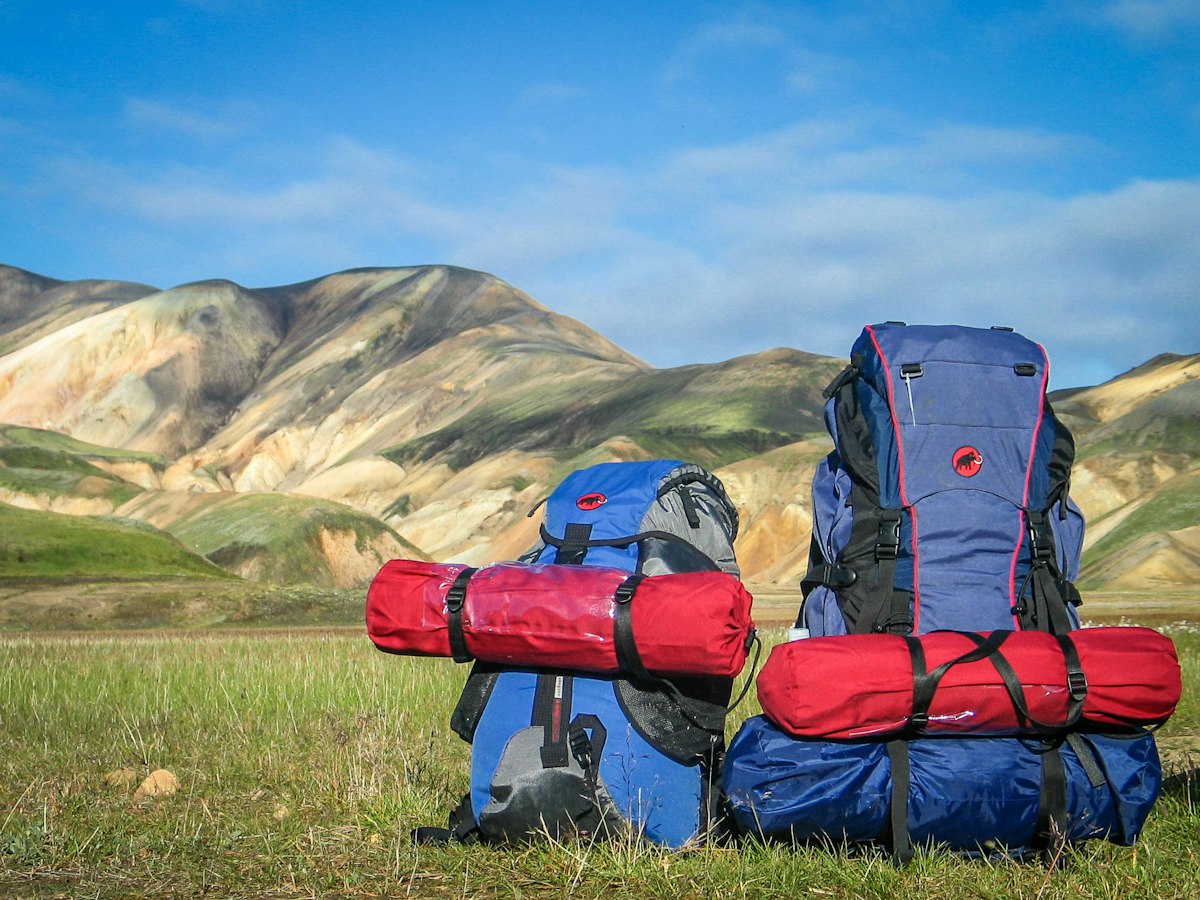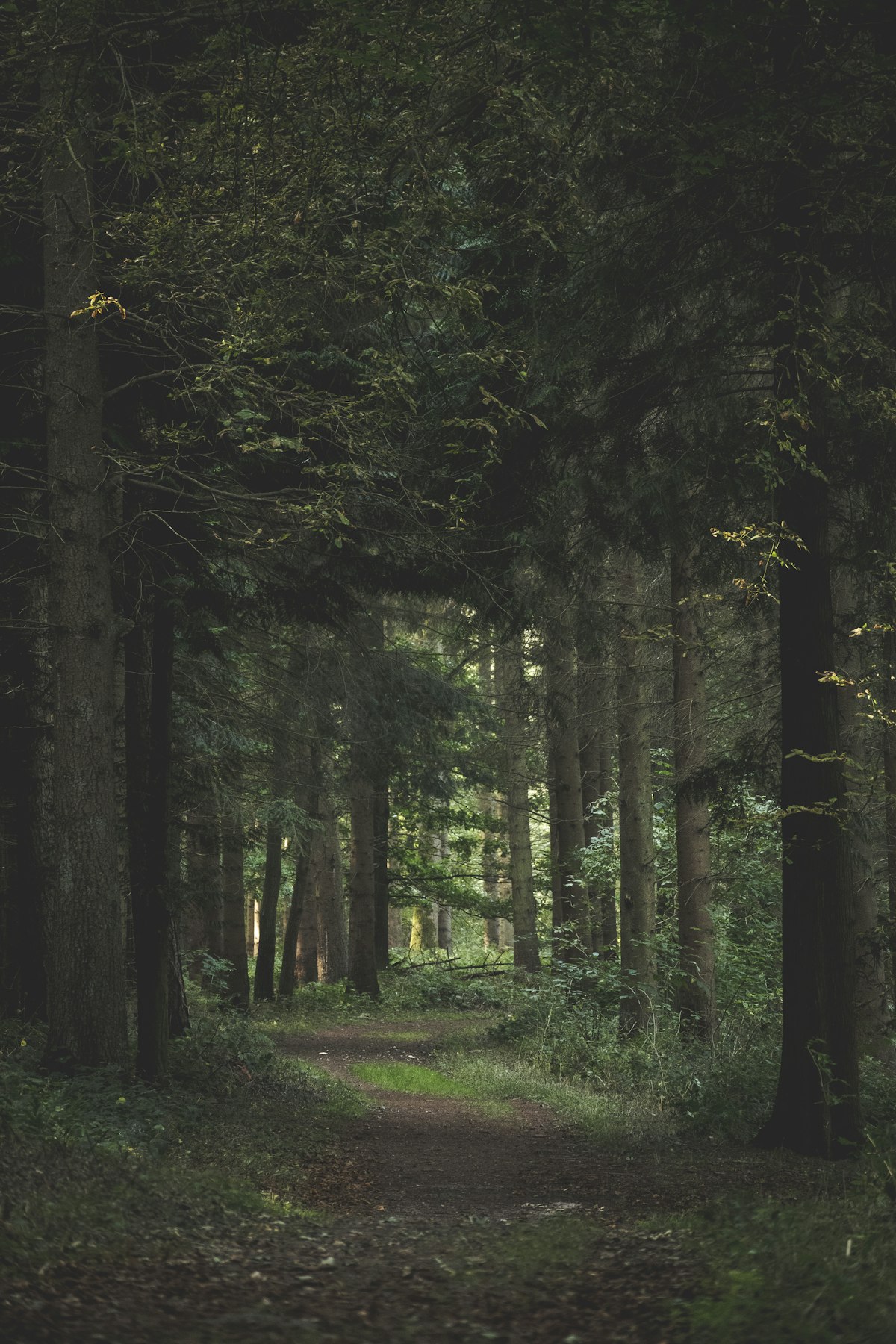
The best family year outdoors is not one big adventure — it is twelve small, season-right outings that never fight the weather. A spring hike ruined by mud, a summer walk cut short by a thunderstorm, an autumn afternoon derailed by a temperature drop, a winter attempt stopped on an icy step: almost every "bad" outdoor memory comes from taking the wrong season for granted. This calendar walks you through what each season actually demands, what to love about it, and a month-by-month table of outings that work.
Spring: pollen, mud and bloom trails
Spring looks like the perfect family season, and it is — if you plan for its three gremlins: pollen, mud and sudden cold. On bloom trails, trees release pollen in the early morning and late afternoon; families with hay-fever sufferers often do better on the hour around 10 a.m. to noon, when pollen counts dip. Treat every spring path as muddy: waterproof shoes or wellies for children, and spare socks in the car. A 2 km walk in thick mud with a toddler takes closer to 90 minutes, not 40 — build that in.
Spring also means baby animals and fast-growing nettles on trail edges. Keep children on the path, and long trousers save a lot of stings. The reward: waterfalls at their fullest, wildflowers, and far fewer biting insects than summer. Run the Seasonal Gear Checklist and swap your winter layers for light ones plus a wind shell.
Summer: sun, hydration and thunderstorms
Summer is the season most families pick by default — and the one that defeats the most outings. The two rules that matter: start early, and respect the sky. Leave the trailhead by 8 a.m. and aim to be off exposed ground by midday; afternoon thunderstorms are common in hilly country after hot mornings. With children, heat builds fast: budget about 500 ml of water per child per 2 km, more above 28°C, and build a shade break every 30 minutes. Reapply sunscreen every 90 minutes, not once.

Use the Sun Exposure Timer to schedule breaks and sunscreen reapplication, and the Weather Readiness Check for the 30-second go / caution / skip call each morning. Summer camping rewards the early riser: the morning hike, the midday swim or nap, and a quiet evening fire beat a midday walk in direct sun.
Autumn: temperature swings, leaves and foraging
Autumn is many experienced families' favourite season: cool air, golden light, fewer people. But it has two traps. First is the temperature swing — 5°C at the trailhead and 20°C by midday. Dress in layers that peel off, and carry a light packable jacket even on sunny mornings. Second is fallen leaves: they hide roots, rocks and ice patches. Slow the pace and watch footing, especially on descents.
Autumn is the season children love most for discovery: mushrooms, fallen nuts, turning colours. One non-negotiable rule — nothing gets eaten that was not brought from home. Children (and adults) can mistake poisonous berries and fungi. Photograph an interesting find instead of tasting it. Berries and mushrooms are best enjoyed as a lesson in identification, not as a snack. Check tick areas after woodland walks, as tick activity often peaks in warm autumn months too.
Winter: snow, ice and layering
Winter family outings are shorter, brighter and colder. The single most useful idea is layering: a moisture-wicking base, an insulating mid layer, and a windproof shell on top — plus a hat and gloves, because most body heat escapes from the head and hands. Cotton is the wrong choice next to skin in winter; once wet it stays cold. Keep every outing well within daylight, and turn back before the children start complaining of cold rather than waiting until they are miserable.
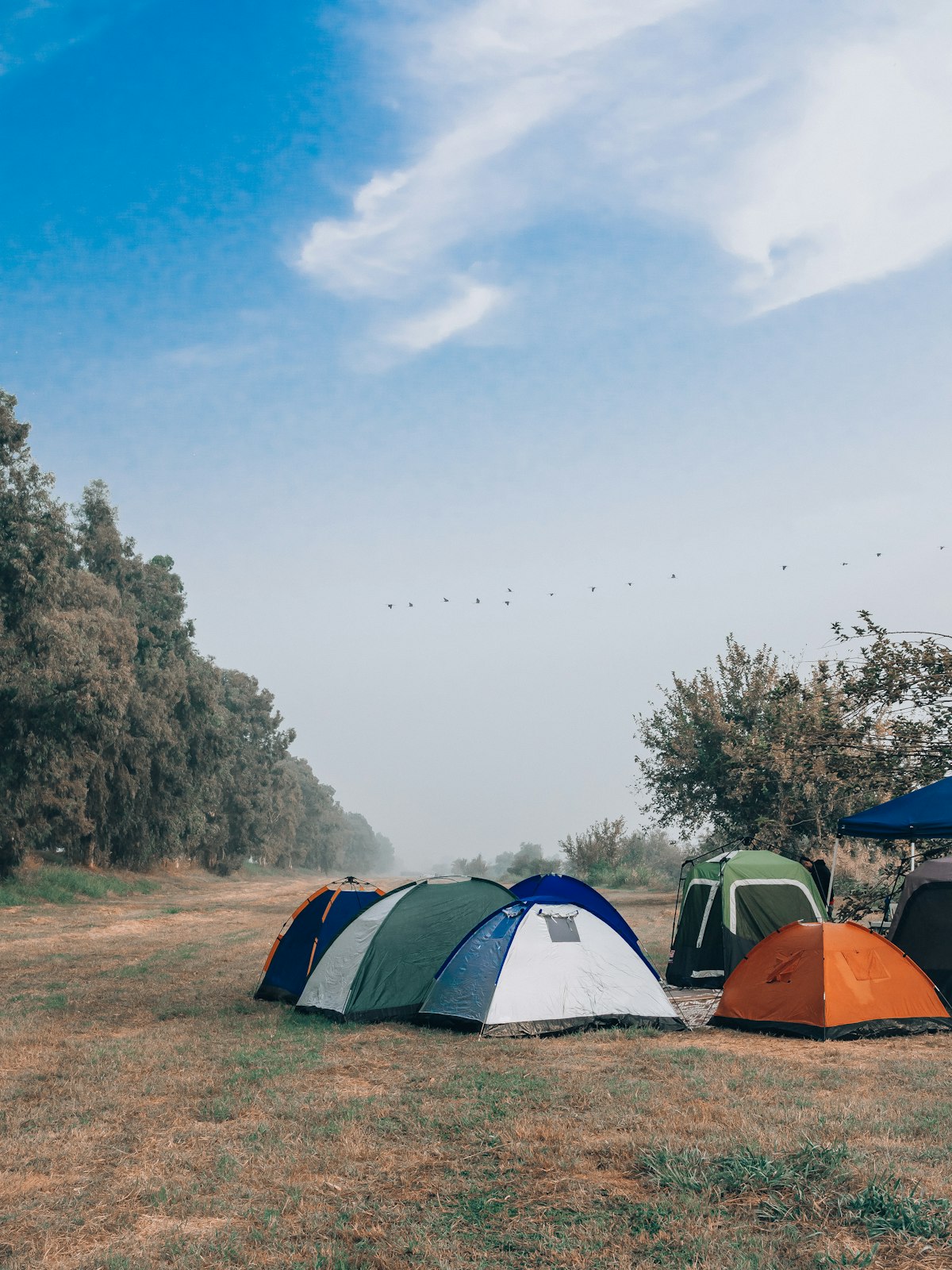
Ice is the real winter hazard, not cold itself. Avoid frozen streams and north-facing slopes that stay icy all day; slip-on cleats or sturdy boots with grip make a huge difference for children and grandparents. Keep winter outings short — 2–3 hours — and treat a hot drink at the end as the reward. The Seasonal Gear Checklist reminds you which layers swap in for the colder months.
The 12-month family calendar table
This is a starting calendar, not a prescription — shift everything by a month or two for your local climate (experience values for a temperate Northern Hemisphere climate):
| Month | Best outing type | Watch out for |
|---|---|---|
| Jan | Short frosty walks, frost photography, hot-drink reward | Ice, short daylight; dress in layers. |
| Feb | Crisp forest loops, bird-watching (migrating birds returning) | Still icy; keep to south-facing paths. |
| Mar | First bloom walks, waterfall visits (high flow) | Mud; bring spare socks and wellies. |
| Apr | Flower trails, easy picnic launches | Pollen in morning/evening; long trousers for nettles. |
| May | Longer day hikes, first family camping night | Midges rising; check the evening forecast. |
| Jun | Early starts, summit before noon, lake swims after | UV strong; reapply sunscreen every 90 min. |
| Jul | Early-morning hikes, afternoon camp/rest, evening fire | Afternoon thunderstorms; be off ridges by midday. |
| Aug | Riverside walks, stargazing nights | Heat; water every 2 km, shade every 30 min. |
| Sep | Golden-hour hikes, fewer crowds, mushroom walks (look, don't taste) | Temperature swings; carry a packable jacket. |
| Oct | Fallen-leaf trails, nut and colour hunts, day hikes | Leaves hide roots and ice; slow the pace. |
| Nov | Bracing short walks, cosy café finish | Dusk early; finish well before dark. |
| Dec | Winter daylight walks, snow play, festive short outings | Ice on north slopes; gloves, hat, spare dry layers. |
The rhythm that works: one "hero" outing per season, plus small local walks most weekends. You do not need a big trip every month — you need the outdoors to feel normal and available all year. Check the weather readiness each outing with the Weather Readiness Check, and rebuild your gear bag each season with the Seasonal Gear Checklist.
A family that goes out in every season builds more than memories — it builds weather as a friend, not a foe. The goal is not the perfect day; it is the habit of showing up, equipped, in the right season.
Pick the next month on the calendar, check the sky, pack the right layers, and keep it short enough that everyone wants to go again next weekend.