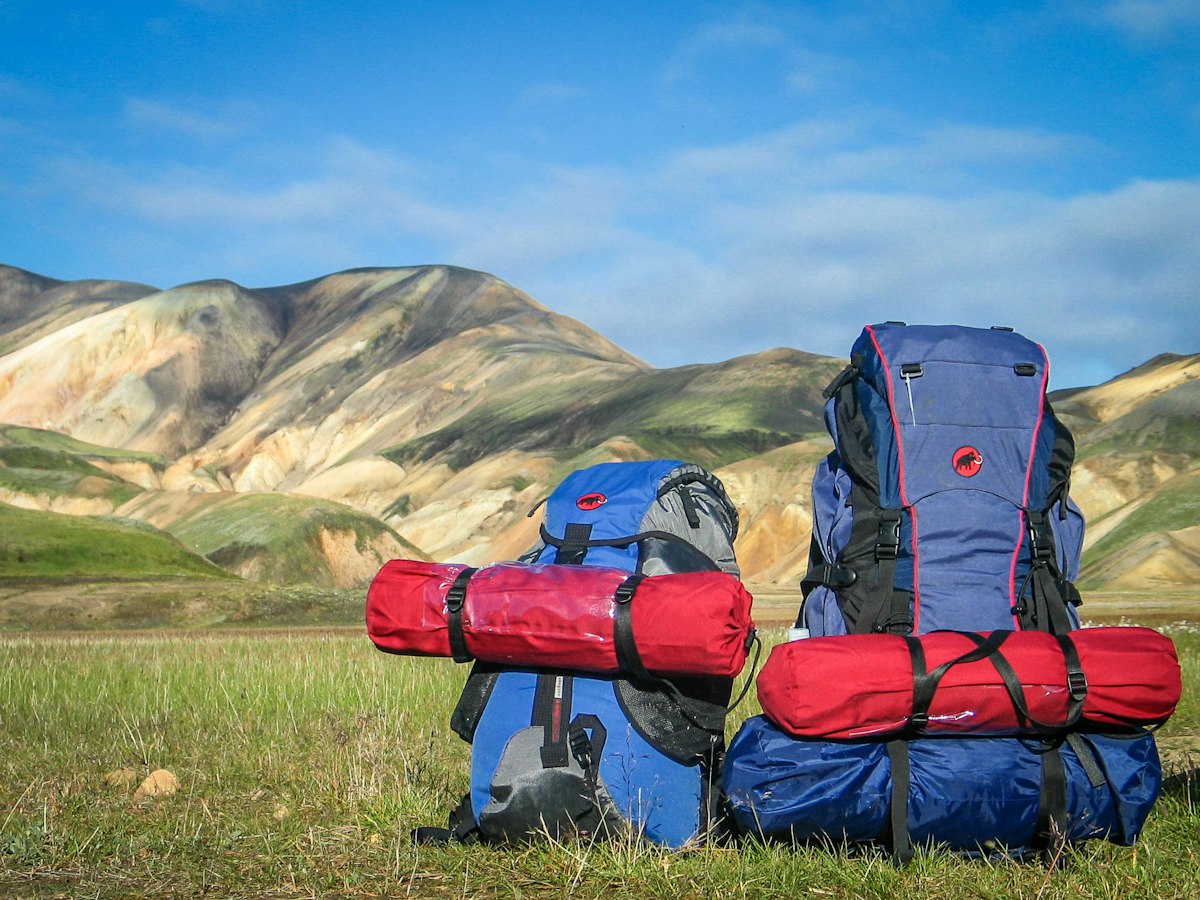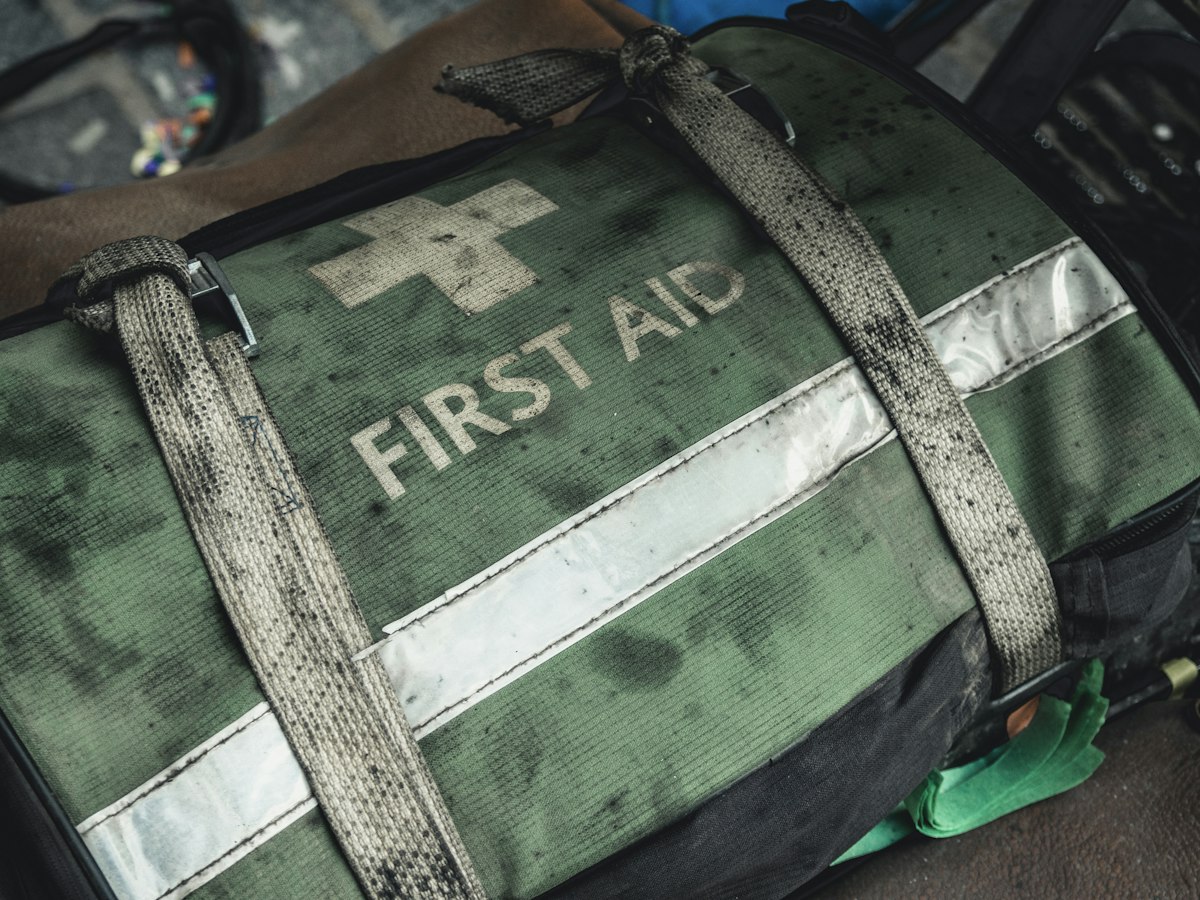
A first aid kit you have never practised with is a bag of expensive bandages. Most families own one, almost no one has checked the expiry date, and nobody remembers where the paracetamol went. This guide fixes that: instead of one giant kit that lives in the closet, build three small kits for three places (pocket, backpack, car), add the things that matter specifically for children, seasonally adjust them, and learn the four treatments you will actually use — blisters, sprains, bleeding, and allergic reactions. This is general outdoor guidance, not medical advice; for anything serious, your local emergency services are the first call.
Three kits, not one: pocket / backpack / car
The mistake is building one giant kit and hoping it is always with you. It never is. Build three small layers instead:
| Layer | What it covers | What goes in it |
|---|---|---|
| Pocket kit | Minor things on the move: blisters, small cuts, splinters. | 3–5 plasters, a couple of alcohol/antiseptic wipes, tweezers (for splinters and ticks), a small roll of tape, a blister pad. Lives in the parent's pocket. |
| Backpack kit | Everything above plus sprains, sun, stomach upset. | Everything in the pocket kit, plus: sterile gauze and a conforming bandage, disposable gloves, a instant cold pack, paracetamol/ibuprofen tablets, antihistamine, rehydration sachets, a space blanket, a small first-aid leaflet, any prescribed meds. |
| Car kit | The heavy stuff that does not come on the trail. | A larger dressing pack, triangular bandage (for a sling), scissors, antiseptic solution, a thermal blanket, a triangle warning sign, bottled water, and spare daily medication. Lives permanently in the car. |
The pocket and backpack kits are the ones you actually use on a walk; the car kit is the safety net at the trailhead. Use our First Aid Decision Guide when something happens on the trail — it walks you through the most common incidents with a calm, step-by-step flow.
The kids-specific extras
A first-aid kit built for adults misses the two things that go wrong with children. Add:
- Children's fever reducer (paracetamol or ibuprofen suspension or dissolvable tablets) — and, importantly, a note with the correct dose by your child's weight, not by age. Dosing by age is a common source of error. If you are ever unsure, follow the bottle's weight-based guide or ask a pharmacist; this is not a place to guess.
- Children's antihistamine in the correct strength, if your child has allergies or hay fever. Know the dose before you need it.
- Your child's prescribed medication — inhaler, epinephrine auto-injector, whatever they need. A kit without the one medicine they actually rely on is decorative.
- A printed emergency card with each child's name, date of birth, allergies, medications, and an emergency contact. Our Kid Emergency ID Card prints one that fits in the kit and in the child's own pocket.
Seasonal adjustments
The base kit stays the same; two small additions change through the year:
- Summer: tick remover or fine tweezers, after-bite or hydrocortisone 1% cream for itchy bites, sunscreen, and rehydration sachets. Ticks and heat are the summer headlines.
- Winter: a warm hat and gloves in the car kit, hand warmers, and a space blanket. In cold conditions, the risk is not cuts — it is getting wet and cold and not realising it.
Every spring and autumn, do a five-minute kit audit: expired tablets, dried-out wipes, missing plasters. A kit with a three-year-old ibuprofen in it is not a kit.
The four treatments you will actually use
You do not need to be a paramedic. Four things cover almost every minor trail incident:
- Blisters: catch them early. A hot spot on the heel? Stop, take the shoe off, and put a blister pad or tape over it before it becomes a blister. Do not pop a blister; cover it and keep it clean. A properly placed pad at minute 10 saves the rest of the afternoon.
- Sprains (RICE): Rest the ankle, Ice (a cold pack, or a cold stream if that is all you have), Compression with the conforming bandage, Elevate. If the child cannot put weight on it, that is not an ankle sprain to walk off — turn back and seek medical assessment.
- Bleeding: Apply firm, direct pressure with a gauze or clean cloth. Most small cuts stop within 5–10 minutes of steady pressure. Do not lift the cloth repeatedly to check. Once bleeding slows, clean gently and cover.
- Allergic reaction / sting: Remove the stinger if visible (scrape it sideways, do not squeeze). Most reactions are local swelling and itch — antihistamine, cold pack. If your child has trouble breathing, swelling of the lips/face, or widespread hives, use the prescribed auto-injector immediately and call emergency services.
What training is actually worth doing
The kit is only as good as the person holding it. A one-day family first-aid course, renewed every two to three years, is the highest-value outdoor purchase a family can make. Look for a course that covers: CPR (including paediatric), choking, bleeding control, sprains, and recognising heat illness. You will never forget practising it once on a mannequin. Reading about CPR is not the same as doing it.
At the very least, watch one short online refresher before each season starts, and agree with the other adults on the trip: who has the kit, who drives, who calls emergency services. On a family hike, the person with the kit is not the doctor — they are the person who keeps the situation stable until help arrives.
The best first-aid kit is the one you have opened before. Build it small, check it every season, know four treatments well, and take the one course. That is enough for 99% of family outings.
Three small kits instead of one big one, the kids' meds with the right dose written down, a spring and autumn audit, and a one-day course — that is the whole job. The rest is not getting into trouble in the first place, which is every other guide on this site.